
Our Mission
Reducing suicide risk in communities with strengths-based, culturally adaptive education, empowerment, and community engagement.
Suicide is not just a mental health issue; it is a social one comparable to poverty, homelessness, and crime. Many communities struggle to maintain reductions in suicide rates, while others lack culturally tailored, sustainable solutions. A one-size-fits-all approach does not work. Instead, sustainable prevention requires tailored, dynamic, evidence-based models that foster connectedness, resilience, and trust. By moving beyond reactive hospitalization to patient-centered, strength-based strategies derived from the latest suicidology research, we can reduce long-term suicide risks, empower individuals, and create thriving communities.
The PROSPER model—Proactive Reduction Of Suicides in Populations via Evidence-based Research—transforms the conversation. It empowers individuals with practical tools, encourages community engagement, and inspires collective action to save lives. Together, we can foster change, reduce stigma, and drive lasting hope.
PROSPER brings education, empowerment, and community engagement together through a strengths-based, culturally adaptive approach.
Reducing suicide risk in communities with strengths-based, culturally adaptive education, empowerment, and community engagement.
Practical principles for lasting, community-centered prevention.
PROSPER Together provides suicide prevention and intervention education designed to reduce suicide risk, empower communities, foster connectedness, support culturally adaptive implementation, and strengthen evidence-based prevention systems.
Communities We Serve
PROSPER supports communities through suicide prevention and intervention training, trainer development, program implementation, and system-wide model adoption.

PROSPER began with a small group of committed individuals who shared the belief that while every life is precious, effective change requires innovative approaches. What started as a focused effort to bridge the gap between research and practice has evolved into a global network of advocates, experts, and communities united by a shared mission. Today, PROSPER connects diverse professionals, including healthcare providers, educators, first responders, faith leaders, and community members, in a collective effort to inspire hope, foster resilience, and transform suicide prevention globally.


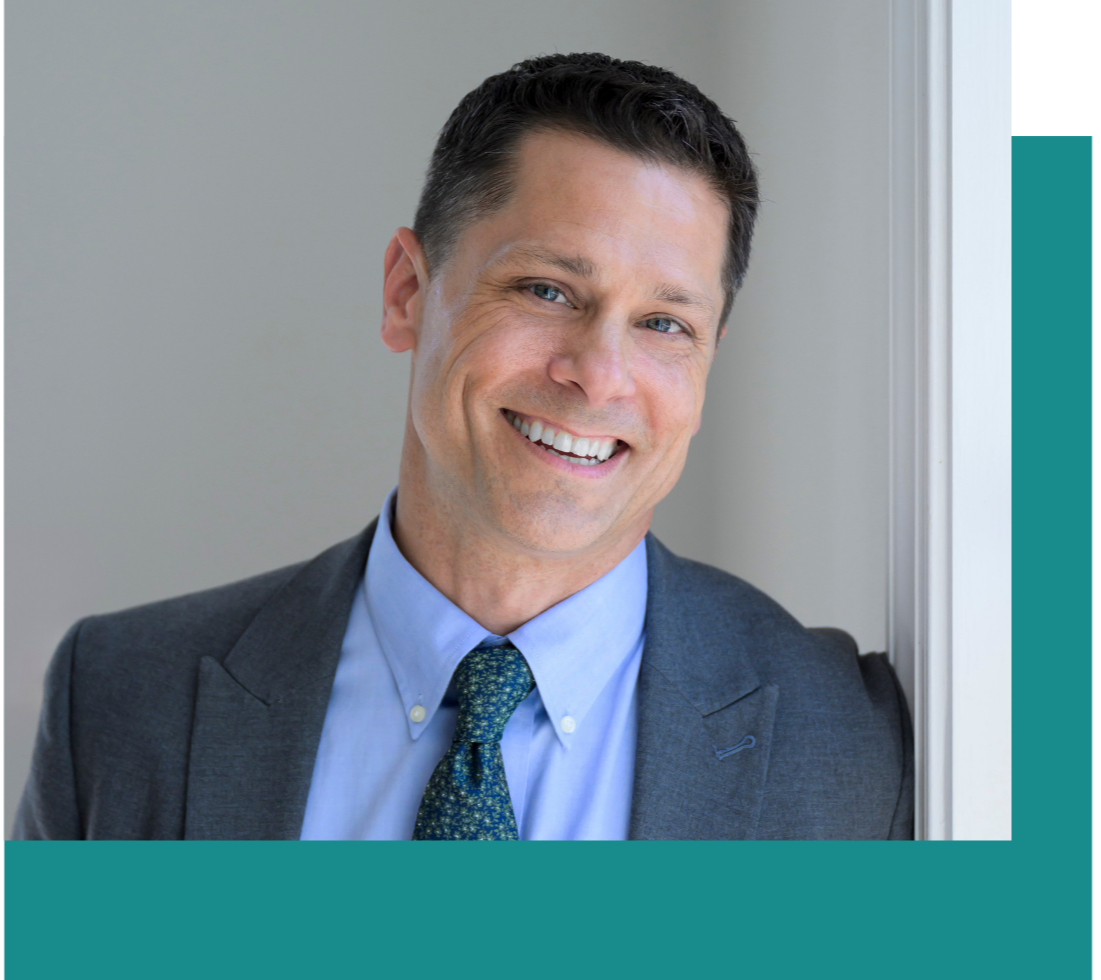
Dr. Kent A. Corso is a licensed clinical psychologist, board-certified behavior analyst, and internationally recognized expert in suicidology and integrated behavioral healthcare. His career began over 20 years ago while serving in the U.S. Air Force, where he led behavioral health innovations within military and primary care systems. He is the founder of PROSPER, an evidence-based suicide prevention, intervention, and postvention program and method that has been implemented in clinical, community, operational, educational, and industrial settings. He has developed, implemented, and evaluated suicide prevention programs throughout North America, Europe, Australia, and Asia. A thought leader in the field, Dr. Corso has authored more than 50 peer-reviewed publications on suicide prevention and the behavioral sciences. He is an expert in novel scientific methods and technologies for analyzing suicide.
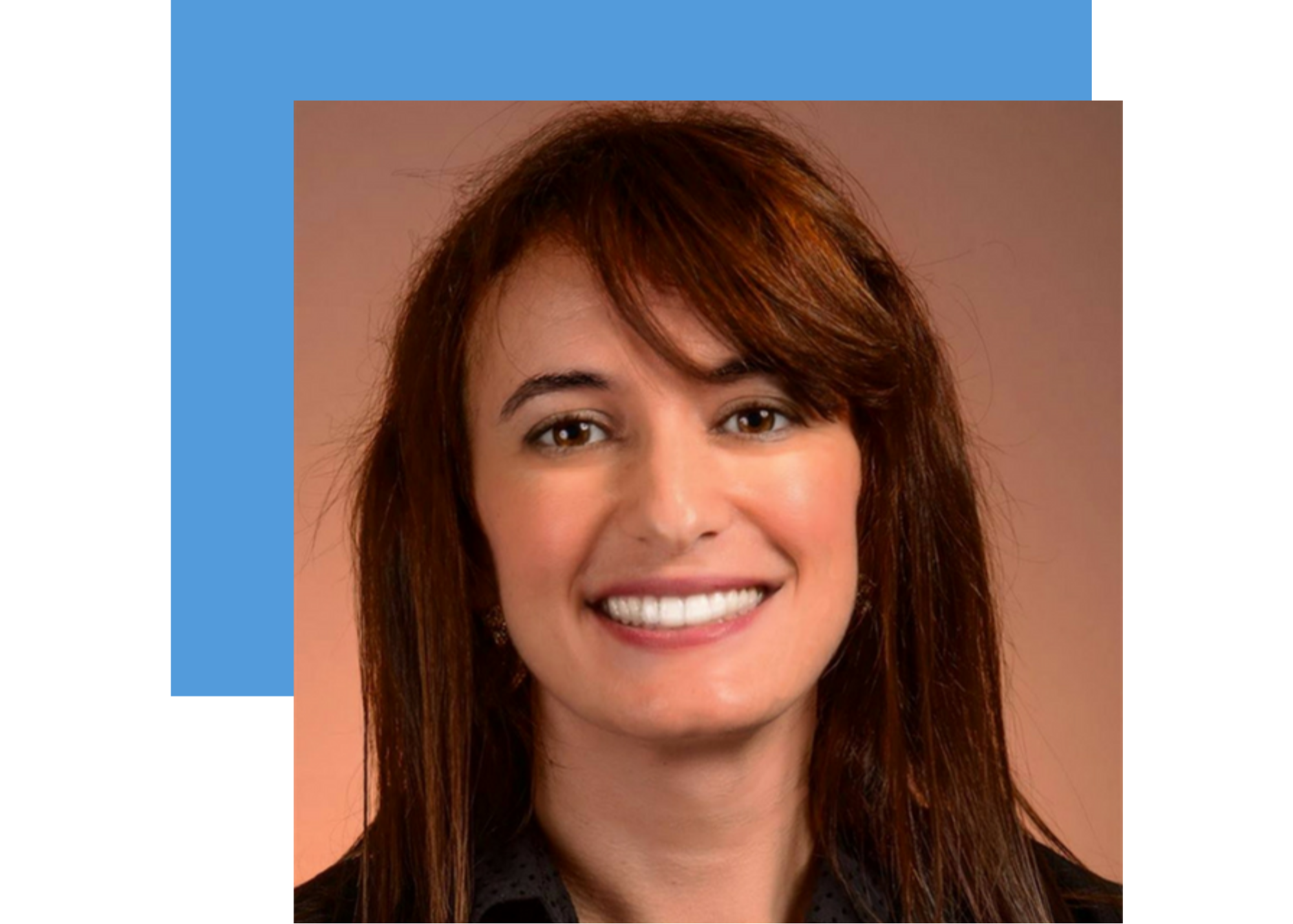
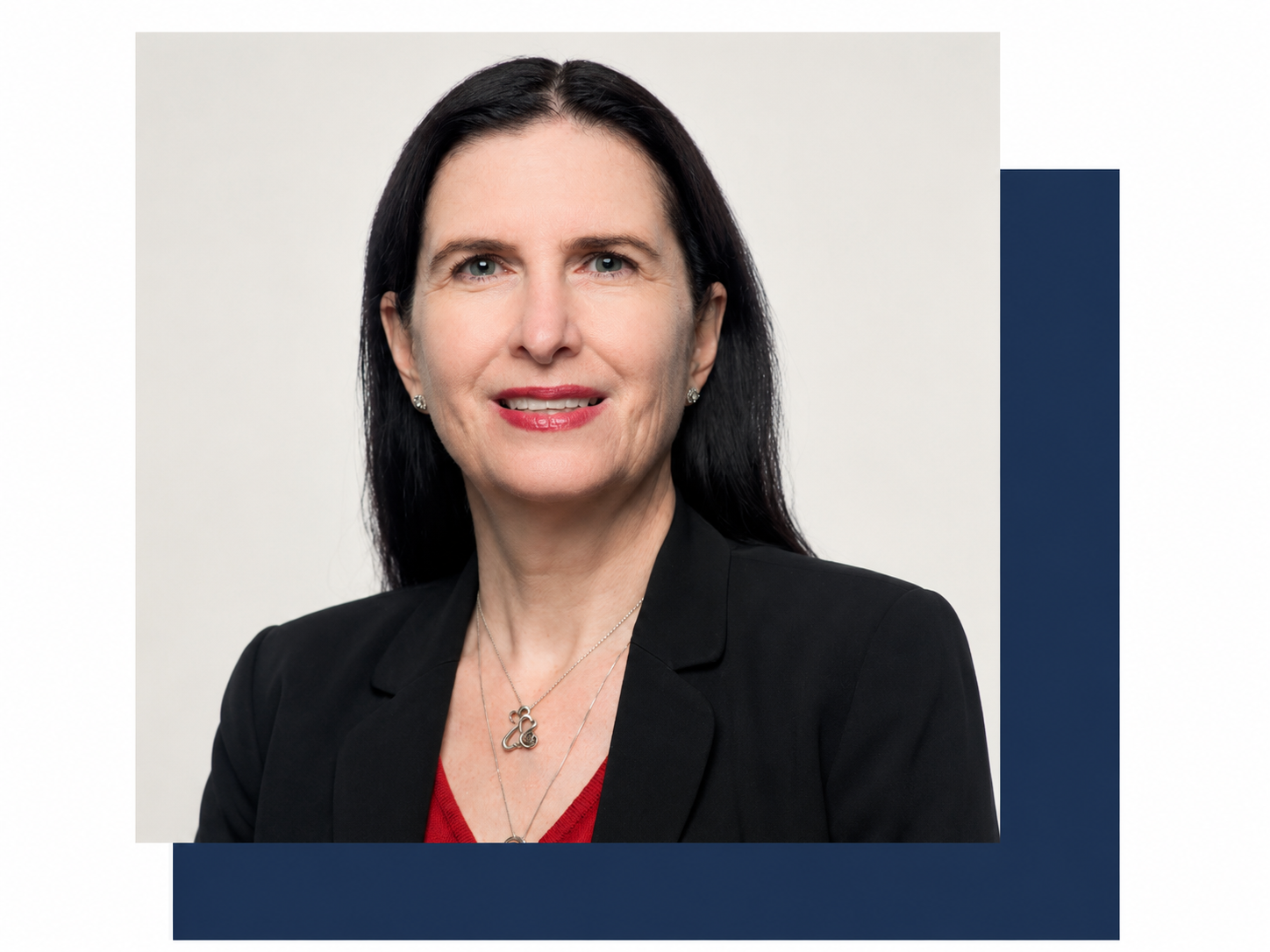
Mary Reagan is a Behavioral Systems Consultant whose work sits at the intersection of behavioral science, organizational systems, and community impact. With experience spanning nonprofit leadership, applied behavior analysis, education, and organizational consulting, she helps teams build structures that support effective decision making, healthy cultures, and measurable outcomes.
With a background in law and ongoing doctoral training in applied behavior analysis, she brings analytical rigor and practical insight to complex organizational challenges. Mary consults with organizations across multiple sectors including nonprofit, scientific, educational, and community settings to translate research into practice, strengthen internal capacity, and design systems that support fidelity and long term growth.
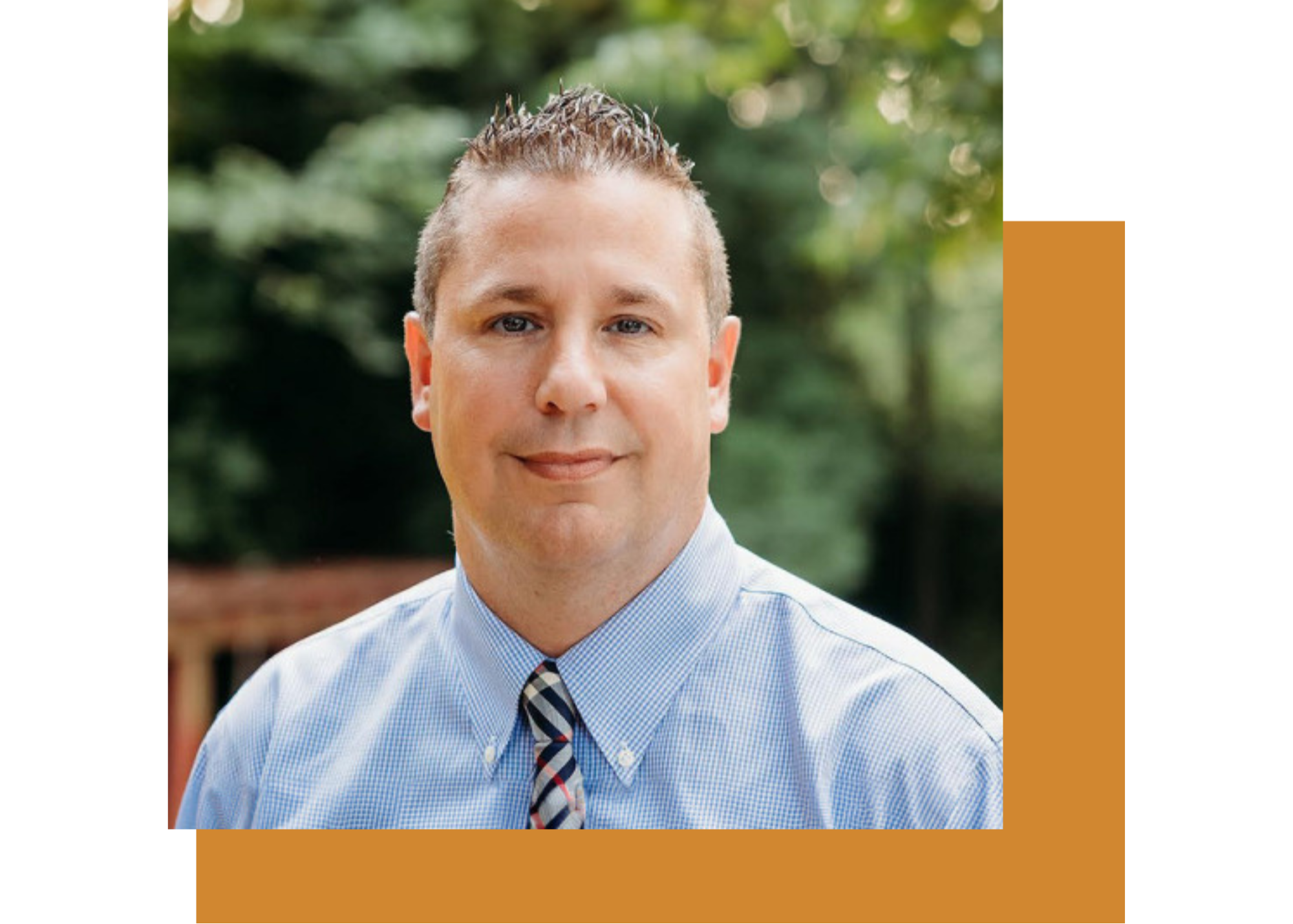
William E. Miller is a certified teacher and Ph.D. candidate in Education with a specialization in Curriculum and Design at Liberty University. He serves as the Director of Curriculum and Design for PROSPER®, where he develops evidence-based suicide prevention programs that are culturally adaptive and community-driven. Collaborating with educators, mental health professionals, and policymakers, he implements strategies that reduce suicide risk and foster open, life-affirming conversations. His work spans research, curriculum development, and public awareness initiatives focused on breaking stigma and strengthening prevention efforts. His current research explores how technology and social media impact youth mental health and suicide risk, and how curriculum can be designed to address these challenges. Based in Long Island, he continues to lead suicide prevention initiatives in Wyoming and beyond.
Contact UsWe’re here to support you. Whether you have questions about our suicide prevention training, need resources, or want to collaborate, we’d love to hear from you.
How PROSPER Creates Change
PROSPER connects vision, measurable impact, and collaboration to help communities move from silence to action.
01 / Vision
We envision a world where people feel empowered to act when they see someone in distress. By building community trust, cultivating shared values, and inspiring care, we can create a network of individuals equipped to intervene, support, and connect. Suicide prevention extends beyond the mental health system—it demands a unified societal approach. Together, we can shift the culture from silence to action and create a world where everyone PROSPERs.
02 / Impact
Through hands-on training, data-driven strategies, and collaboration, PROSPER drives measurable change. Since 2016, tens of thousands across diverse communities have reported significant improvements in confidence, competence, and comfort assisting individuals in distress. By fostering culturally responsive approaches and building sustainable capacity, PROSPER sparks meaningful conversations, transforming communities and creating a safer, more resilient world.

03 / Partners
PROSPER thrives on collaboration. Our partnerships span healthcare systems, educational institutions, faith-based organizations, and local governments. By investing in prevention, intervention, and postvention efforts, we unite resources, amplify impact, and ensure sustained results. Together, we create a ripple effect that strengthens families, communities, and society at large.
PROSPER Together advances suicide prevention and intervention through a unified approach grounded in community trust, shared values, culturally responsive training, measurable impact, collaboration with healthcare systems, educational institutions, faith-based organizations, local governments, and sustainable prevention, intervention, and postvention partnerships.
Evaluation-Backed Prevention & Intervention
Across 2025 evaluations, PROSPER participants consistently reported high post-training ability in practical suicide prevention and intervention skills.
Evaluation-backed outcomes
Select any outcome to open a focused detail view with an original community image, exact cohort results, practical context, and a clean cohort graph.
Prevention & intervention pathway
Build trust and reduce stigma before and throughout suicide prevention and intervention.
Prevention & intervention pathway
Use focused questions to understand risk, ambivalence, and protective factors.
Prevention & intervention pathway
Apply structured plans and brief, evidence-informed suicide intervention skills.
Prevention & intervention pathway
Carry prevention and intervention into coordinated teams, organizations, and systems.
Evaluation source: PROSPER 2025 evaluation reports. Results reflect immediate post-training self-reported skill ability and professional intent.
Enter your details below to join the challenge.